A Comprehensive Guide to Selecting Between O-wire, Spiral, and Perfect Binding
- fineline publishers
- May 23
- 3 min read

Choosing the right binding method can make a big difference in the look, feel, and durability of your printed materials. Whether you are preparing a report, a catalog, a notebook, or a presentation, understanding the strengths and limitations of different binding types helps you make an informed decision. This guide compares three popular binding options: O-wire, spiral, and perfect binding, highlighting their features, ideal uses, and practical considerations.
What Is O-wire Binding?
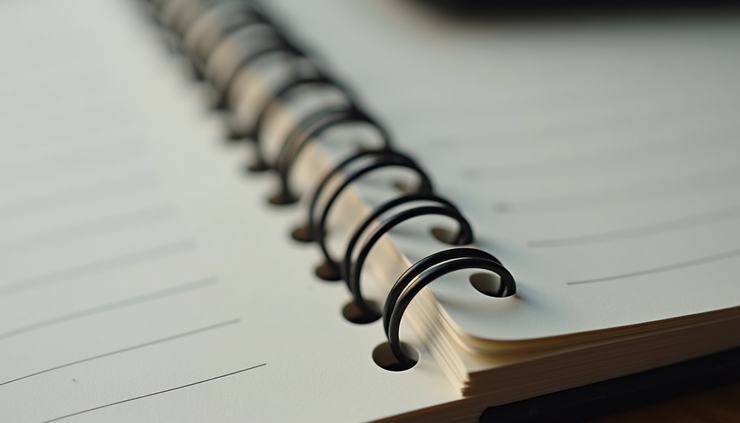
O-wire binding, also known as twin-loop or double-loop wire binding, uses a series of metal loops shaped like the letter "O" to hold pages together. The wire passes through punched holes along the edge of the document, creating a secure and flexible spine.
Key Features of O-wire Binding
Professional appearance: O-wire binding offers a clean and polished look, often used for business reports and presentations.
Durability: The metal wire is sturdy and resists bending or breaking.
Lay-flat design: Documents open flat and stay open, making them easy to read or write in.
Customization: Available in various colors and sizes to match branding or document thickness.
Best Uses for O-wire Binding
Corporate reports and proposals
Training manuals
Calendars and planners
Portfolios and presentations
O-wire binding works well when you want a professional finish with a durable spine that allows easy page turning.
Understanding Spiral Binding
Spiral binding uses a continuous plastic or metal coil threaded through holes punched along the document’s edge. The coil loops around the pages, holding them securely while allowing full rotation.
Key Features of Spiral Binding
Flexibility: Pages can rotate 360 degrees, folding back on themselves.
Variety of coil materials: Plastic coils come in many colors, while metal coils offer extra strength.
Cost-effective: Spiral binding is generally affordable for small to medium print runs.
Lay-flat and fold-back: Ideal for notebooks and manuals that require easy handling.
Ideal Applications for Spiral Binding
Notebooks and journals
Workbooks and manuals
Recipe books
Sketchbooks and art portfolios
Spiral binding is perfect for documents that need to be handled frequently and folded back without damaging the spine.

What Makes Perfect Binding Different?
Perfect binding is a method where the pages and cover are glued together at the spine with a strong adhesive. The other three sides are trimmed to create a clean, square edge. This style is common for paperback books and magazines.
Characteristics of Perfect Binding
Sleek, book-like appearance: Gives documents a polished, professional look.
No visible rings or coils: The spine can be printed with titles or logos.
Suitable for thick documents: Works best with 40 pages or more.
Less flexible: The spine does not lay flat, which can make reading or writing near the edge harder.
When to Choose Perfect Binding
Catalogs and brochures
Magazines and booklets
Annual reports
Product manuals with many pages
Perfect binding is ideal when you want a traditional book feel and a clean spine for branding or titles.
Comparing Durability and Cost
| Binding Type | Durability | Cost Range | Flexibility | Appearance |
|--------------|------------|------------|-------------|------------|
| O-wire | High | Moderate | High | Professional, clean |
| Spiral | Moderate | Low | Very high | Casual, functional |
| Perfect | Moderate | Moderate | Low | Sleek, polished |
Durability: O-wire tends to be the most durable due to its metal loops. Spiral binding is flexible but can be less sturdy if plastic coils are used. Perfect binding relies on glue, which may weaken over time.
Cost: Spiral binding is generally the most affordable, especially for smaller quantities. O-wire and perfect binding can be more expensive depending on size and customization.
Flexibility: Spiral binding allows full rotation, O-wire allows pages to lay flat, and perfect binding is the least flexible.
Appearance: Perfect binding offers the most polished look, while O-wire balances professionalism with flexibility. Spiral binding is more casual and practical.
Practical Tips for Choosing the Right Binding
Consider the document’s purpose: For presentations or reports that need a professional look and frequent page access, O-wire is a strong choice.
Think about handling: If the document will be used as a notebook or workbook, spiral binding offers the best ease of use.
Page count matters: Perfect binding works best for thicker documents, while O-wire and spiral can handle a wide range of thicknesses.
Budget constraints: Spiral binding is cost-effective for smaller runs, while perfect and O-wire may require higher investment.
Branding and design: Perfect binding allows printing on the spine, which can enhance brand visibility.
Final Thoughts on Binding Choices
Selecting the right binding method depends on your document’s function, appearance goals, and budget. O-wire binding offers a professional, durable option with excellent flexibility. Spiral binding excels in usability and affordability, especially for notebooks and manuals. Perfect binding provides a sleek, book-like finish ideal for thicker documents that benefit from a clean spine.


Comments